
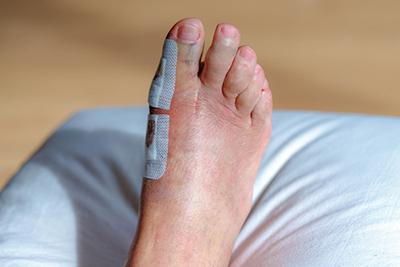
At East Texas Foot & Ankle Centers in Tyler, TX, bunion surgery is a common treatment for individuals experiencing persistent pain, discomfort, or difficulty walking due to a bunion. A bunion, or hallux valgus, is a bony bump that forms at the base of the big toe, often caused by genetics, improper footwear, or structural foot abnormalities. When conservative measures such as orthotics, shoe modifications, or anti-inflammatory treatments fail to provide relief, surgical intervention may be recommended to restore alignment and improve foot function.
Understanding Bunion Surgery
Bunion surgery involves correcting the misalignment of the bones, ligaments, tendons, and soft tissues in the affected toe. There are several types of procedures, and the choice depends on the severity of the deformity, patient age, activity level, and overall foot structure. Common procedures include osteotomy, in which the bones are cut and realigned; exostectomy, which involves removing the bony bump; and arthrodesis, a fusion procedure used in more severe cases. Each approach aims to relieve pain, restore proper alignment, and prevent the bunion from returning.
What to Expect During the Procedure
Bunion surgery is typically performed under local, regional, or general anesthesia, depending on the procedure and patient preference. The surgeon makes precise adjustments to the bone and soft tissues to realign the big toe and stabilize the joint. Modern techniques often utilize screws, pins, or plates to secure the bones during healing. Surgical duration varies but generally ranges from one to two hours, and many patients are able to return home the same day.
Recovery and Postoperative Care
Recovery after bunion surgery requires careful adherence to postoperative instructions to ensure proper healing. Initially, patients may need to use crutches, a surgical boot, or specialized footwear to reduce weight-bearing on the foot. Swelling and discomfort are common in the first few weeks, and elevation, ice, and pain management strategies help improve comfort. Gradual return to normal activities is guided by the surgeon, with most patients resuming light walking within a few weeks and full activity over several months. Physical therapy may be recommended to restore strength, flexibility, and balance.
Long-Term Outcomes and Benefits
Bunion surgery is generally successful in relieving pain, improving toe alignment, and enhancing overall foot function. Long-term outcomes are optimized when patients follow postoperative care instructions and maintain supportive footwear. While recovery requires patience and compliance, many individuals find that surgery allows them to enjoy improved comfort and mobility that conservative treatments could not achieve.
Schedule a Consultation for Bunion Care
For patients in Tyler, TX, East Texas Foot & Ankle Centers offers comprehensive evaluation and surgical treatment for bunions. Understanding the procedure, recovery timeline, and long-term benefits can help patients make informed decisions about their foot health. To schedule an appointment and discuss personalized bunion care, contact East Texas Foot & Ankle Centers in Tyler, TX, at (903) 939-3668.